TL;DR: Children of abuse face 3x higher risk of repeating patterns, but awareness changes everything. The cycle breaks through presence, not perfection. Safe relationships, trauma-informed parenting, and one caring adult shift generational trajectories. Your intention to do better already creates change.
Core Answer:
Abused children are 3x more likely to abuse their own kids, but transmission isn't inevitable
Safe, stable relationships break the cycle more effectively than perfection
Trauma-informed parenting programs show significant effects on parenting outcomes and mental health
Positive childhood experiences offset trauma effects
Becoming a "transitional character" means you're the generation where patterns stop
I remember the exact moment I read it.
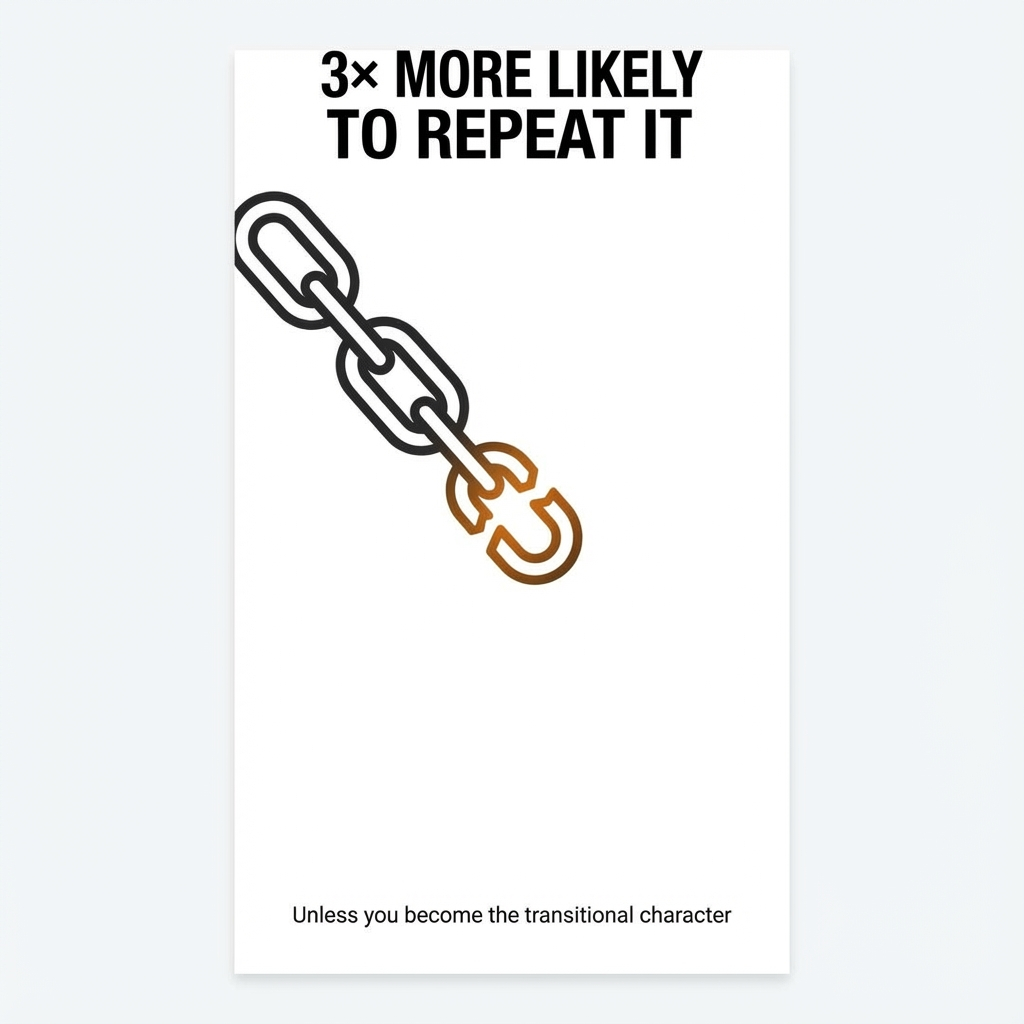
Children who experience abuse are three times more likely to abuse their own children.
I was pregnant with my first child. The words hit like a fist to the stomach. I sat there, hand on my belly, thinking about my own childhood. The patterns I survived. The fawn response I perfected to stay safe.
One thought looped in my head: What if I pass this on?
What the Research Actually Shows
A 30-year study found mothers with childhood maltreatment histories were more likely to abuse or neglect their own children. The strongest patterns showed up in neglect and sexual abuse transmission.
Here's what gave me hope.
The research showed something else: transmission isn't inevitable. Physical abuse patterns showed little evidence of intergenerational transfer. Public education and awareness efforts are changing generational patterns right now.
That terrifying statistic contained a promise.
Awareness changes everything.
Bottom line: The 3x risk is real, but so is the possibility of breaking free.
What Breaks the Cycle
I spent years researching what separates families who break patterns from those who don't. The answer surprised me with its simplicity.
Safe, stable, nurturing relationships.
Research shows families without domestic violence between partners were over 2x more likely to break intergenerational abuse patterns. Children of parents who experienced childhood abuse but not adult violence had similar odds of difficulties as children whose parents had no violence exposure.
The cycle breaks when safety becomes real.
When I left my toxic marriage, I wasn't leaving for me alone. I was creating the foundation my children needed. The relationship between me and their father taught them what love looked like. I needed them to learn something different.
The truth: Your relationship choices are parenting choices.
How the Fawn Response Complicates Parenting
Nobody talks about this part.
The fawn response develops when children withhold authentic emotions to avoid parental wrath. We people-please until we disconnect from our own emotions, sensations, and needs.
This creates a specific parenting challenge:
How do you teach emotional availability when you were trained to suppress emotions? How do you model healthy boundaries when you never learned to set them? How do you help your children form secure attachments when your own attachment was disrupted?
I realized my fawn response was adaptive. It helped me survive childhood. But I needed something different now. My children needed me present, not perfect.
Key insight: Your survival patterns helped you then. They're hurting your kids now.
What Is a Transitional Character?
People who break intergenerational abuse cycles have a name in research: transitional characters.
These individuals change their lineage trajectory through efforts to stop abuse from reaching the next generation. They give their children a better foundation focused on thriving, not surviving.
When I read this, something shifted.
I wasn't a survivor trying not to mess up my kids. I was a transitional character. The generation who said: this stops here.
You don't have to break every pattern. You won't be perfect. But your intention to do better already creates change.
What this means for you: The cycle breaker isn't the perfect parent. It's the aware one.
What Trauma-Informed Parenting Looks Like
A 2024 meta-analysis found significant effects of trauma-informed parenting programs on parenting outcomes and parental mental health. Programs using modeling techniques and longer durations showed larger effects.
You don't need a formal program to start.
What worked for me:
Building awareness about trauma's impact helps you respond differently. When I feel stressed as a parent, I ask: "Does this remind me of how I was parented? Do I need support to do things differently?"
The pause changes everything.
I practice identifying my children's big emotions as age-appropriate reactions. Their tantrums aren't attacks. Their tears aren't manipulations. They're learning to feel.
I unlearned reactive parenting and learned responsive parenting. The difference lives in the pause. The space between their behavior and my response.
Simple truth: Responsive beats reactive every time.
Why Prevention Beats Perfection
Research shows unprevented child abuse costs 60 to 159 times more than early prevention programs.
Read those numbers again.
Imperfect but present intervention has exponentially more value than the perfect approach you never start.
I used to think I needed perfect parenting to break the cycle. Never raise my voice. Never lose patience. Never make mistakes.
The pressure nearly broke me.
My children needed a parent who showed up. Who apologized when she messed up. Who modeled repair after rupture. Who let them see humans make mistakes and relationships survive.
What matters: Show up imperfectly instead of waiting for perfect readiness.
How Positive Experiences Offset Trauma
About 64% of adults in the United States experienced at least one Adverse Childhood Experience before age 18. ACE scores don't tell the full story.
Positive Childhood Experiences help children become more resilient and offset trauma effects.
One caring adult disrupts unhealthy cycles.
I couldn't erase my children's ACEs. They lived through a toxic marriage. They experienced divorce trauma. They saw me struggle.
But I became the one caring adult. I showed them what choosing healing looks like. What setting boundaries looks like. What saying "I deserve better, and so do you" sounds like.
The shift: You don't erase their pain. You become the adult who shows them another way.
How to Recover from the Fawn Response
Recovery from trauma responses like fawning means recognizing patterns without shame. The fawn response was adaptive. It helped you survive childhood.
You choose differently now.
Learning to set boundaries, reconnect with your own emotions and needs, and practice saying no in safe spaces creates new neural pathways. Healing means safety no longer requires self-erasure.
I learned this for myself before teaching it to my children.
I practiced boundaries in low-stakes situations. I noticed when I was people-pleasing versus genuinely giving. I learned to identify my own emotions instead of scanning the room for everyone else's.
My healing became their inheritance.
The process: Your healing work isn't selfish. It's the foundation for breaking cycles.
Why Your Intention Already Matters
If you're reading this, you're already breaking the cycle.
Worrying about passing on trauma means you're aware. Awareness is the first step in change.
You're asking hard questions. Examining patterns. Willing to do uncomfortable healing work so your children don't have to.
Intention matters.
Research backs this. When parents become aware of trauma patterns and work to respond differently, they change outcomes for their children. The cycle breaks through presence, not perfection.
Remember this: The parent who worries about being a bad parent is rarely the bad parent.
What to Tell Yourself on Hard Days
Some days I still worry. I catch myself reacting instead of responding. Old patterns emerge under stress.
On those days, I remember:
I'm not my parents. I made different choices. I chose healing. I chose awareness. I chose to stop the cycle.
My children will have their own struggles. I won't protect them from everything. But I gave them something I never had: a parent who did the work. A parent who chose presence over perfection. A parent who showed them healing is possible.
This is the gift of being a transitional character.
You don't get it right every time. You keep showing up. Keep choosing awareness. Keep doing the work.
The cycle breaks one conscious choice at a time.
On hard days: You're not repeating patterns. You're catching yourself. There's a difference.
Frequently Asked Questions
What does it mean to be a transitional character?
A transitional character is someone who breaks intergenerational abuse patterns through conscious effort. You're the generation where the cycle stops. Research shows these individuals change their lineage trajectory by giving children a foundation focused on thriving instead of surviving.
How do I know if I have a fawn response?
The fawn response shows up as chronic people-pleasing, difficulty saying no, disconnection from your own emotions and needs, and withholding authentic feelings to keep peace. If you scan rooms for everyone else's emotions before checking your own, you're fawning.
Will my children be damaged because I have trauma?
No. About 64% of adults experienced at least one Adverse Childhood Experience. What matters is whether you're aware of your patterns and working to respond differently. Positive childhood experiences and one caring adult offset trauma effects. Your healing work protects your children.
Do I need therapy to break intergenerational trauma?
Therapy helps, but awareness starts the change. A 2024 meta-analysis found trauma-informed parenting programs effective, but you don't need formal programs. Start by pausing before reacting, asking if stress reminds you of how you were parented, and identifying children's emotions as age-appropriate instead of attacks.
What if I've already made mistakes with my children?
Repair matters more than perfection. Research shows children benefit when parents model repair after rupture. Apologizing when you mess up teaches them relationships survive mistakes. The cycle breaks through presence, not perfection.
How long does it take to break the fawn response?
Recovery is a process, not an event. Learning to set boundaries, reconnect with emotions, and practice saying no in safe spaces creates new neural pathways over time. Start with low-stakes situations and build from there. Your healing becomes your children's inheritance.
What if my partner doesn't understand trauma-informed parenting?
Research shows families without domestic violence between partners were over 2x more likely to break intergenerational abuse patterns. If your partner is safe but uninformed, share resources. If your partner creates unsafe dynamics, your relationship choices are parenting choices. Sometimes protecting children means leaving.
Is it too late if my children are already teenagers?
No. Awareness and changed responses benefit children at any age. Teenagers especially benefit from seeing parents do healing work and model growth is possible. Your intention to do better changes their trajectory regardless of age.
Key Takeaways
Abused children face 3x higher risk of repeating patterns, but transmission isn't inevitable when you're aware and working to respond differently.
Safe, stable relationships break cycles more effectively than perfect parenting. Your relationship choices are parenting choices.
Transitional characters change lineage trajectories through conscious effort. You don't need to break every pattern or be perfect.
The fawn response helped you survive childhood but hurts your kids now. Learning boundaries and reconnecting with emotions creates new patterns.
One caring adult disrupts unhealthy cycles. Positive childhood experiences offset trauma effects more than you think.
Responsive parenting beats reactive parenting. The pause between their behavior and your response changes everything.
Your healing work isn't selfish. It's the foundation for breaking cycles and becomes your children's inheritance.
Breaking intergenerational trauma isn't about perfection. It's about presence, awareness, and choosing differently when it's hard.
You don't need permission to break the cycle. You don't need to wait until you're healed enough or ready enough.
Your intention to do better is already changing your children's trajectory.
The statistic that haunted me when I was pregnant still exists. The risk is real. But so is the possibility of change.
You're the generation who says: this stops here.
You're a transitional character. A cycle breaker. A parent who chose healing over repetition.
Your children will thank you for it.
On days when you don't feel like you're doing enough, remember: you're doing the most important work there is. Creating a different legacy. Building a foundation of safety and presence.
Everything starts here.


Comments
Post a Comment
We appreciate your comments!